

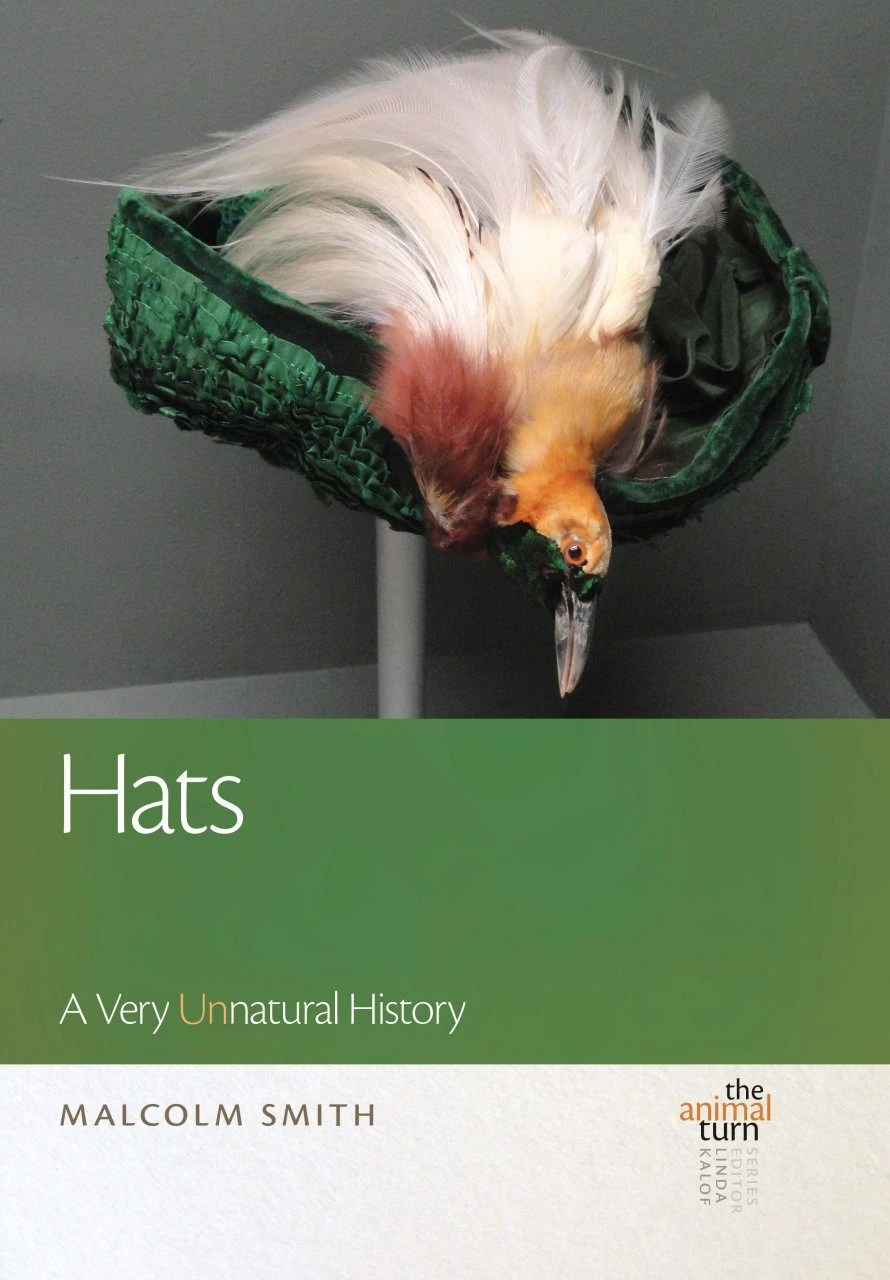
Hats
Original price was: $38.95.$27.27Current price is: $27.27.
- Nature-friendly materials, for a better planet.
- 100% High-Quality Guarantee
- No Compromise on Quality
- Get the Best for Less

About this book
For such simple garments, and throughout their long history, hats have had a devastating impact on wildlife. Made of wild-caught mammal furs, decorated with feathers or whole stuffed birds, historically they have driven many species to near extinction. By the turn of the twentieth century, egrets, shot for their exuberant white neck plumes, had been decimated; the wild ostrich, killed for its feathers until the early 1900s, was all but extirpated; and vast numbers of birds of paradise from New Guinea and hummingbirds from the Americas were just some of the other birds killed to decorate ladies’ hats. At its peak, the hat trade was estimated to be killing 200 million birds a year. At the end of the nineteenth century, it was a trade valued at £20 million (over $25 million) a year at the London feather auctions. Weight for weight, exotic feathers were more valuable than gold. Sea otters and North American and Eurasian beavers were all decimated to make hatting felt. Today, while no wild birds are captured for feather decoration, some wild animals are still trapped and killed for hatmaking. A fascinating read, Hats will have you questioning the history of your headwear.
Biography
Malcolm Smith is a biologist, a former chief scientist and deputy chief executive at the Countryside Council for Wales, and a former
board member of the Environment Agency, Europe’s largest environmental regulator, for England and Wales. He has been published
widely over several decades including articles in The Daily Telegraph, The Economist, The Independent, and CNN Traveller. He also is
the author of four previous books, including . He is a member of the
National Lottery Heritage Fund’s Committee for Wales, the largest dedicated funder of heritage in the United Kingdom. He lives in North
Wales in a seventeenth-century ex-farmhouse overlooking woodland he planted with his family and with views over the Irish Sea.
| Select | Hardback, Jan 2020 |
|---|
Be the first to review “Hats”
Related products
Birds of Europe/Western Palaearctic
Ornithology
![The Colour Handbook Of The Birds Of Sichuan [Chinese]](https://www.wildlifebookshelf.com/wp-content/uploads/2025/03/65050-247x342.webp)
Birds of Asia-Pacific
Birds of North America
Birds: General
Birds of Asia-Pacific

Conservation, Care & Monitoring
Birds of Asia-Pacific
Reviews
There are no reviews yet.