

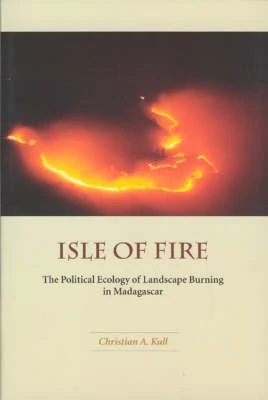

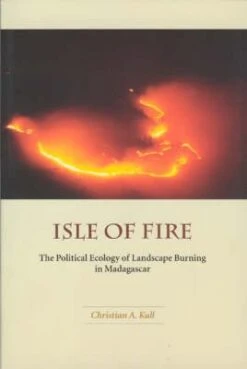

Isle Of Fire
Original price was: $31.99.$22.39Current price is: $22.39.
- Nature-friendly materials, for a better planet.
- 100% High-Quality Guarantee
- No Compromise on Quality
- Get the Best for Less

About this book
Long considered both best friend and worst enemy to humankind, fire is at once creative and destructive. In the endangered tropical paradise of Madagascar, the two faces of fires have fueled a century-long conflict between rural farmers and island leaders. For the farmers, wildland burning plays a key role in sustaining their agricultural livelihood and maintaining control of the island’s rangelands, croplands, and woodlands. For the government, fire is the chief threat to the island’s economic development and environmental stability. Kull argues that the antifire polemics of Madagascar’s leadership are misdirected and that the most dangerous conflagration is the blaze that is fanned by the disagreements between outside authorities and farmers.
Contents
Acknowledgments
Glossary
Part One: The Fire Problem
1. The Isle of Fire: Problem, Theory, and Setting
2. The Nature of Fire: Bad Fire, Good Fire, Complex Fire
Part Two: Landscape Burning and Livelihoods
3. Grassland Fire: The Agropastoral Logic of Fire across the Highlands
4. Woodland Fire: Fire and Rural Economy in the Tapia Woodlands
5. Forest Fire: Slash-and-Burn Farmers on a Forest Frontier
Part Three: Fire Politics
6. The Struggle over Fire: Criminalization and Resistance
7. Fire Politics: A History of State Antifire Efforts
8. Empowering Rural Fire Setters: Towards Community-Based Fire Management
9. Conclusion
Appendices
1. Official Statistics of Annual Fire Extent
2. Summary of Legislation and Government Acts Relevant to Fire, 1896-1998
References
Index
| Select | Paperback, Aug 2004, Hardback, Jul 2004 |
|---|
Be the first to review “Isle Of Fire”
Related products

Habitats & Ecosystems

Forests & Wetlands

Forests & Wetlands
Coasts & Islands


Habitats & Ecosystems

Forests & Wetlands
Coasts & Islands
Forests & Wetlands
Reviews
There are no reviews yet.